
"brazil coffee taste"
10000 article(s) found

Brazilian Coffee Bean Variety Characteristics Region Treatment Flavor Description
Professional barista exchanges, please pay attention to coffee workshop (Weixin Official Accounts cafe_style ) Brazilian coffee varieties Although coffee has diversity, Brazilian coffee is suitable for public taste. For example: coffee produced in northern coastal areas has a typical iodine taste, reminiscent of the sea after drinking. This coffee is exported to North America, the Middle East and Eastern Europe. There's also something interesting and worth pursuing.

Story of the Development History of Brazilian Coffee Bean Outstanding Cup the output of Brazilian coffee beans ranks first in the world in terms of taste.
Professional coffee knowledge exchange more coffee bean information Please pay attention to the history behind the Outstanding Cup in the coffee workshop (Wechat official account cafe_style) Brazil has been a huge contributor to the global coffee market for decades. Plants from Ethiopia were brought to the country when French immigrants settled in Para in the 18th century. The activity of growing coffee beans began in the north and quickly spread to
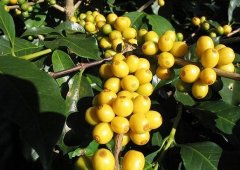
Brazilian Chocolate Coffee (Brazil Chocola)
Brazilian Chocolate Coffee wbr (Brazil wbrChocola) Brazilian Chocolate (Brazil Chocola) Origin: Brazil (Brazil) Minas Variety: Yellow Bourbon (yellow bourbon) aroma: fragrant temperature and softness, giving people an elegant impression on the whole. Taste: mild and elegant, smooth and balanced on the palate, bitter and sweet taste of chocolate. Brazilian chokra

Brazilian coffee planting history will be less flavor to describe the characteristics of the producing area.
For the exchange of professional baristas, please follow the coffee workshop (Wechat official account cafe_style) Brazil is the largest country in Latin America and the largest coffee producer in the world in the past 150 years. 1/3 of the world's coffee comes from Brazil, followed by Vietnam, Colombia and Indonesia. The annual output of Minas Gerais province in the southeast alone (20 million bags) has surpassed that of neighboring Colombia.

Grading, price, raw beans and baking curve of Brazilian coffee
For the exchange of professional baristas, please follow the coffee workshop (Wechat official account cafe_style) Brazilian coffee individual bean classification, price, raw beans and baking curve traditional wind selection props coffee advanced countries Brazil has not yet exported to Japan there are many kinds of coffee. Due to the domestic road traffic conditions, land transport is difficult, although it can produce fine coffee but can not circulate < CHAPADA DE M
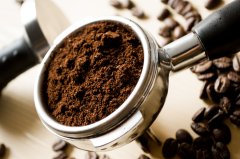
Flavor characteristics, producing areas and brewing parameters of single bean of Brazilian coffee
For the exchange of professional baristas, please pay attention to the coffee workshop (Wechat official account cafe_style) Brazilian coffee single bean flavor characteristics, production areas and brewing parameters in the elevation of 8501200m flat large coffee plantation cultivation of coffee, taste slightly smooth mostly neutral coffee. In contrast, the coffee produced in the mountains in Brazil is slightly higher above sea level and is affected by the sunshine on the slope of the hillside.

Brazil Santos coffee producing area Brazil Santos coffee has a rich, balanced and soft taste.
Professional coffee knowledge exchange more coffee bean information please follow the coffee workshop (Wechat official account cafe_style) front street-Brazil Santos coffee introduction Brazil Santos coffee, are extremely rhythmic, unrestrained and enthusiastic samba dance and group crazy, earth-shaking carnival, thoroughly integrated into the lively and cheerful, happy fate of Brazilians in the blood, it with colorful flavor
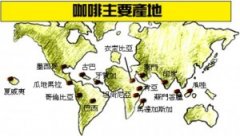
South American Brazilian coffee country boutique Brazilian Santos coffee beans
The Brazilian Santos variety comes from South America and Brazil is the world's number one coffee producer, accounting for about 30% of the world's total production. Almost all Santos coffee is produced in southeastern Brazil and is the best coffee in Brazil. Raw bean granules can be found from medium to large, but without green, they are neutral coffee. Brazil's "Vicky Gotti Manor" comes from Brazil's top boutique coffee estate "Fazenda\ Var".
Brazil Coffee
Brazilian coffee generally refers to coffee produced in Brazil. There is a wide variety of Brazilian coffee, the vast majority of which are unwashed and sun-dried, classified according to the name of the state of origin and the port of transport. Brazil has 21 states and 17 states produce coffee, but four of them produce the largest, accounting for 98% of the country's total output. Brazilian coffee has a low sour taste, which goes well with coffee.

Flavor and taste of Brazilian boutique coffee the manor area introduces the characteristics of Brazilian coffee.
In Brazil, the largest producer is Robbins. This kind of coffee is sold in the supermarket. Brazil's Robucht coffee, sold under the name Conillon, accounts for 15 per cent of total production. Old bourbon coffee is grown on some estates in the Serrado district of Minas Greais state in southeastern Brazil. These estates, such as Capi

Flavor description of Brazilian coffee beans introduction to the taste of varieties in producing areas
Brazil is vividly compared to the giant and monarch of the coffee world. There are about 3.97 billion coffee trees there, and small farmers now grow 75% of Brazil's total coffee production. The number of coffee producers in Brazil is twice or even three times that of Colombia, the second largest coffee producer in the world. Unlike in the past, Brazil's economy is less dependent on coffee.

Today, Brazil is still the global coffee kingdom.
The earliest coffee exports were shipped from Maranion in northeastern Brazil to Lisbon in 1731, but Rio de Janeiro soon became a distribution center for Brazilian coffee exports and helped Brazil maintain its trade balance for a long time. In the 19th century, coffee was the only product that did not encounter fierce international competition among all Brazilian exports. In the first 20 years of the 20th century, Brazilian coffee
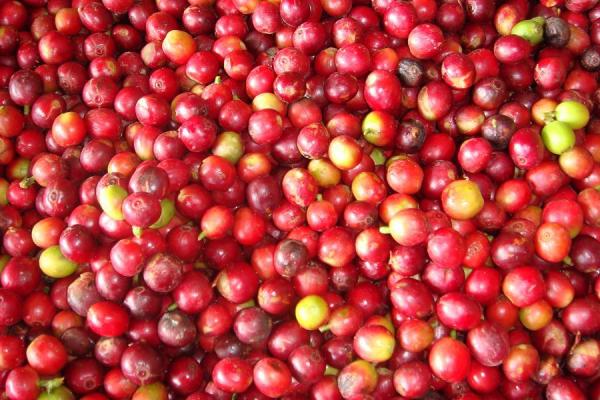
World boutique coffee beans: a detailed introduction to the classification of coffee beans in Brazil
Brazilian coffee generally refers to coffee produced in Brazil. There is a wide variety of Brazilian coffee, the vast majority of which are unwashed and sun-dried, classified according to the name of the state of origin and the port of transport. Brazil has 21 states and 17 states produce coffee, but four of them produce the largest, accounting for 98% of the country's total output. Brazilian coffee has a low sour taste, which goes well with coffee.
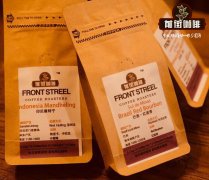
How to brew moderately roasted Brazilian coffee beans in Brazil, the world's largest coffee producer?
Brazil is the world's major producer and exporter of coffee beans, coffee beans taste mellow, is a typical deep-roasted coffee beans. About 1/3 of the world's coffee comes from Brazil, and most of the premium coffee in Brazil is labeled Santos after passing through the port. Altitude range: 400-1600 m above sea level harvest season: may-September annual coffee output: 4000-60 million bags

Varieties of beans, brand recommendation and manor introduction of Brazilian coffee
The exchange of professional baristas please pay attention to the coffee workshop (Wechat official account cafe_style) Brazilian coffee single bean species, brand recommendation and manor introduction since the 1930s, the research on bean seeds has been limited by congenital conditions, and the Brazilian government has invested a lot of resources to improve varieties and disease resistance since the 1930s. Among them, the results of bean research still affect the planting habits of Latin America as a whole. Like him.
What are the varieties of coffee grown in Brazil, the ancestor of honey-treated coffee?
Professional coffee knowledge exchange more coffee bean information please follow the coffee workshop (Wechat official account cafe_style) Brazil is known as the kingdom of coffee, it is the world's largest coffee producer and exporter, coffee production accounts for more than 30% of the world's coffee production, there are 1, 6% of the world's coffee is produced here. Brazil is also the second largest coffee consumer in the world after the United States.
Brazilian coffee bean flavor taste manor production area introduces Brazilian boutique coffee beans
Brazilian coffee generally refers to coffee produced in Brazil. There are many kinds of coffee in Brazil. Like other Arabica coffee, Brazilian coffee is called Brazilian coffee Brazils to distinguish it from Milds coffee. The vast majority of Brazilian coffee is unwashed and sun-dried and is classified according to the name of the state of origin and port of transport. Brazil has 21 states and 17 states produce coffee, but among them

Introduction of Brazilian boutique coffee beans flavor and taste of Brazilian coffee manor
Old bourbon coffee is grown on some estates in the Serrado district of Minas Greais state in southeastern Brazil. Old varieties of bourbon coffee grown on these estates, such as Capin Branco and Vista Allegre, are also sold on the market. Although they come from the same area, there are different kinds of coffee.

Grinding scale of Brazilian Hilado Coffee beans introduction to the manor of taste treatment
Brazil is vividly compared to the giant and monarch of the coffee world. There are about 3.97 billion coffee trees there, and small farmers now grow 75% of Brazil's total coffee production. The number of coffee producers in Brazil is twice or even three times that of Colombia, the second largest coffee producer in the world. Unlike in the past, Brazil's economy is less dependent on coffee.
Brazilian coffee has a low sour taste.
Brazilian coffee generally refers to coffee produced in Brazil. There is a wide variety of Brazilian coffee, the vast majority of which are unwashed and sun-dried, classified according to the name of the state of origin and the port of transport. Brazil has 21 states and 17 states produce coffee, but four of them produce the largest, accounting for 98% of the country's total output. Brazilian coffee has a low sour taste, which goes well with coffee.